What is a Data Center in Cloud Computing?
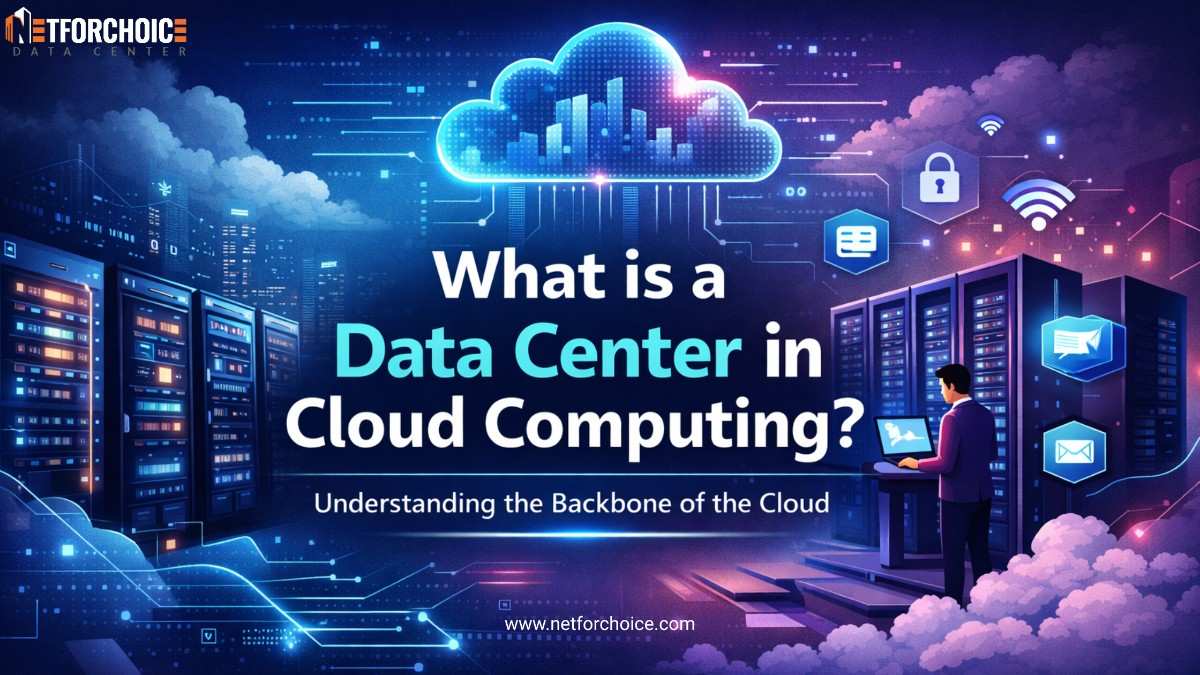


Every time you upload a file to the cloud, stream a movie, or access an online application, powerful systems are working behind the scenes to process and deliver that data instantly. These systems are powered by advanced infrastructure that keeps cloud services fast, secure, and always available. At the core of this infrastructure is the Data Center in Cloud Computing, which enables organizations to store, manage, and process massive amounts of information efficiently.
For businesses adopting cloud technologies, understanding how these data centers operate is essential. They not only support cloud platforms but also ensure scalability, performance, and data protection. In this Blog, we’ll break down what a cloud data center is, how it works, its key components, and why it plays a critical role in modern cloud environments.
Understanding the Role of Data Centers in Cloud Computing
A Data Center in Cloud Computing refers to a specialized facility that houses computing resources such as servers, storage systems, networking equipment, and security systems. These facilities are designed to store, process, and distribute large amounts of data for cloud-based applications and services.
When you access a cloud application, whether it’s email, file storage, or business software, the data is actually processed and delivered from servers located in these data centers. Cloud providers operate multiple data center in India across different geographic locations to ensure high availability and fast performance.
Unlike traditional IT setups where companies maintain their own physical infrastructure, cloud computing allows organizations to use the resources of remote data centers managed by cloud providers. This reduces the need for costly hardware investments and complex maintenance.
How Data Centers Support Cloud Infrastructure
A Data Center in Cloud Computing functions as the central hub where computing power and data storage are managed. When a user requests information or runs an application in the cloud, the request travels through the internet to a server located in a data center.
The process generally follows these steps:
- A user accesses a cloud-based application or service.
- The request is transmitted through the internet to the cloud provider.
- The request is processed within the data center using servers and storage systems.
- The processed data is sent back to the user in real time.
Because cloud providers operate multiple data centers, they can distribute workloads efficiently. This ensures that services remain accessible even if one location experiences technical issues.
Key Components of a Cloud Data Center
1. Servers
Servers are powerful computers responsible for processing data and running applications. In cloud environments, thousands of servers work together to handle millions of requests simultaneously.
2. Storage Systems
Cloud data centers use advanced storage technologies to manage large volumes of information. These systems allow businesses to store data securely while ensuring quick access when needed.
3. Networking Equipment
Networking devices such as routers, switches, and firewalls enable communication between servers and users. They also help maintain stable connectivity and protect against cyber threats.
4. Power Supply Systems
Reliable power is critical for any data center. Backup generators and uninterruptible power supplies ensure that operations continue even during power outages.
5. Cooling Infrastructure
Large numbers of servers generate significant heat. Cooling systems maintain optimal temperatures to prevent equipment failure and maintain efficiency.
6. Security Systems
Security is a top priority in cloud infrastructure. Modern data centers include advanced monitoring, biometric access controls, and cybersecurity solutions to protect sensitive information.
Benefits of Data Centers in Cloud Computing
Scalability
Cloud data centers allow companies to scale resources up or down depending on their needs. This flexibility helps organizations manage growth without investing in additional hardware.
High Availability
Most cloud providers operate multiple facilities worldwide. This distributed architecture ensures continuous service availability and reduces the risk of downtime.
Improved Security
Professional data centers implement strict security protocols, including physical security, encryption, and continuous monitoring to protect critical data.
Cost Efficiency
Using cloud infrastructure eliminates the need for businesses to purchase and maintain expensive hardware. Organizations only pay for the resources they use.
Disaster Recovery
Cloud data centers often replicate data across multiple locations. This ensures that information can be recovered quickly in case of system failures or disasters.
Types of Data Centers Used in Cloud Environments
Enterprise Data Centers
These are privately owned facilities used by large organizations to manage their own IT infrastructure.
Colocation Data Centers
In colocation facilities, companies rent space for their servers while the data center provider manages power, cooling, and connectivity.
Hyperscale Data Centers
These large-scale facilities are used by major cloud providers to support massive workloads and global cloud services.
Edge Data Centers
Edge facilities are located closer to users to reduce latency and improve performance for applications requiring real-time data processing.
Conclusion
A Data Center in Cloud Computing plays a vital role in enabling modern digital services. It provides the infrastructure required to store data, run applications, and deliver cloud-based solutions to users worldwide. By offering scalability, security, and reliability, data centers have become the foundation of today’s cloud ecosystem.
For businesses looking to improve performance, protect data, and scale operations efficiently, leveraging cloud-powered data centers is a strategic step toward digital transformation.
FAQ
1. What is a Data Center in Cloud Computing?
It is a physical facility that houses servers, storage systems, networking equipment, and other infrastructure used to deliver cloud services. These facilities process, store, and manage data for cloud-based applications and platforms, allowing users to access services through the internet without maintaining their own physical hardware.
2. Why are data centers important for cloud computing?
Data centers are essential because they store, process, and manage the infrastructure that powers cloud services. Without them, cloud applications, storage, and computing resources would not be accessible to users over the internet.
3. What is the difference between a traditional and a cloud data center?
A traditional data center is usually owned and managed by a single organization for its internal IT infrastructure, while a cloud data center supports shared resources provided by cloud service providers, allowing multiple users to access scalable computing services online.