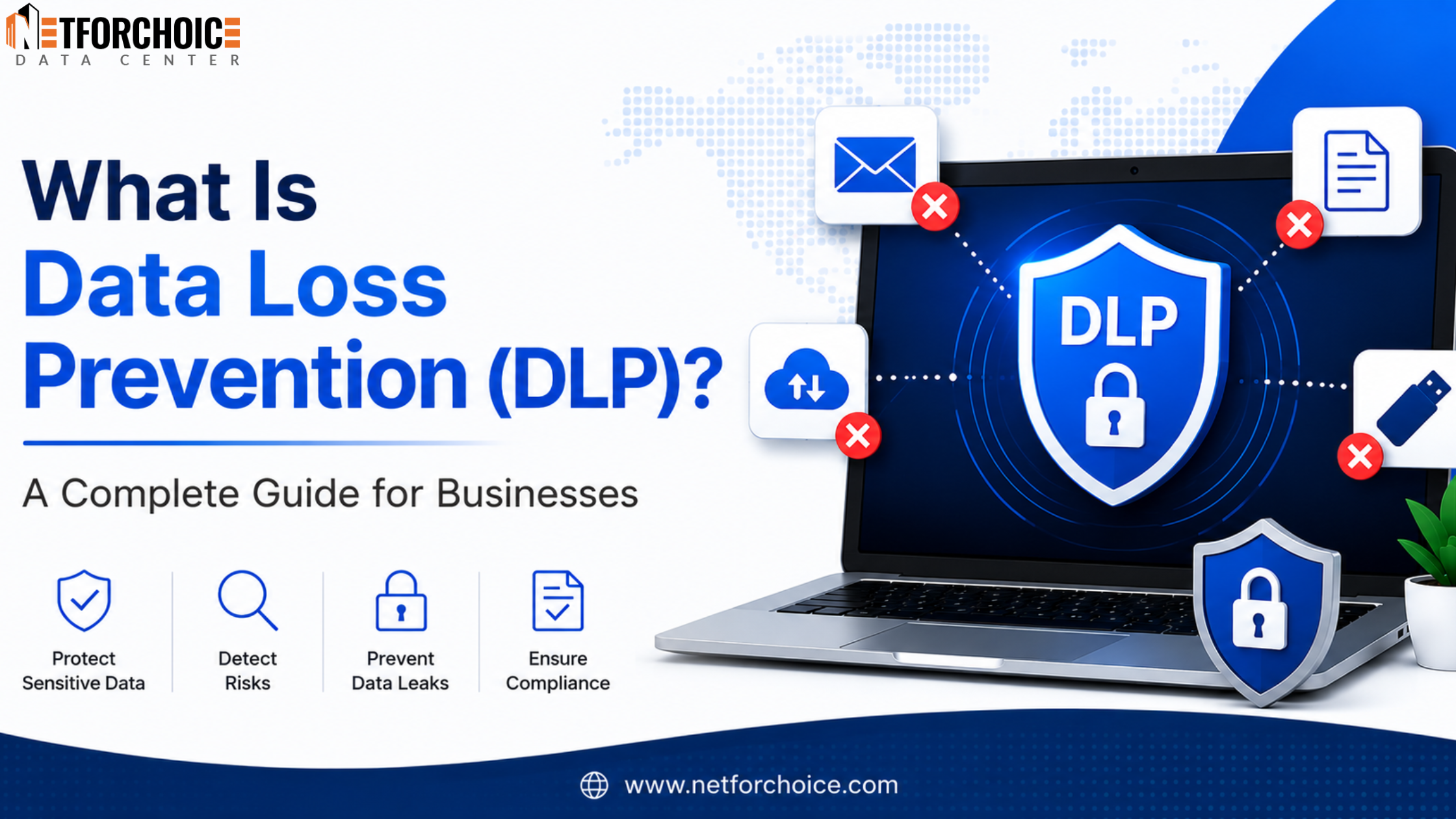
What Is Data Loss Prevention (DLP)? A Complete Guide for Businesses


Every day, businesses create, share, and store enormous amounts of sensitive data customer records, financial details, trade secrets, and more. One misplaced email or unsecured file can lead to a costly leak. This is where Data Loss Prevention comes in.
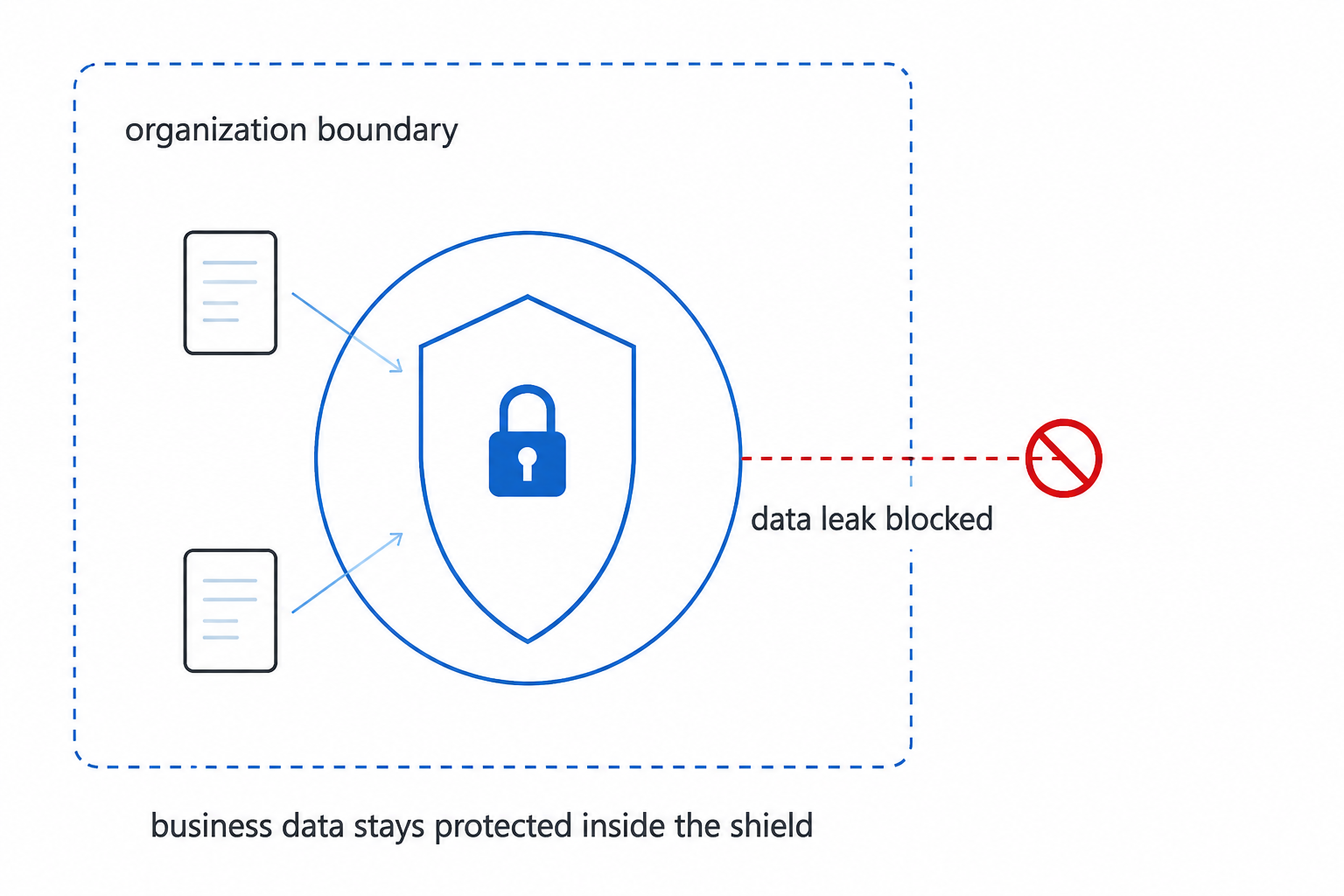
Data Loss Prevention (DLP) is a set of tools and strategies designed to stop sensitive information from leaving an organization without authorization. Whether the risk comes from a careless employee or a malicious insider, DLP helps businesses keep their most valuable data safe.
Why Data Loss Prevention Matters for Businesses Today
Data breaches are no longer rare events they’re a daily business risk. Remote work, cloud storage, and constant file sharing have made it easier than ever for sensitive data to slip through the cracks.
Here’s why Data Loss Prevention has become essential:
- Rising cyber threats: Hackers actively target unprotected business data.
- Remote and hybrid work: Employees access company data from multiple devices and locations.
- Regulatory pressure: Laws now require businesses to protect customer information.
- Reputation risk: A single leak can damage customer trust for years.
Without a solid DLP strategy, businesses are essentially leaving their front door unlocked in a neighbourhood full of opportunistic thieves.
How Data Loss Prevention Works
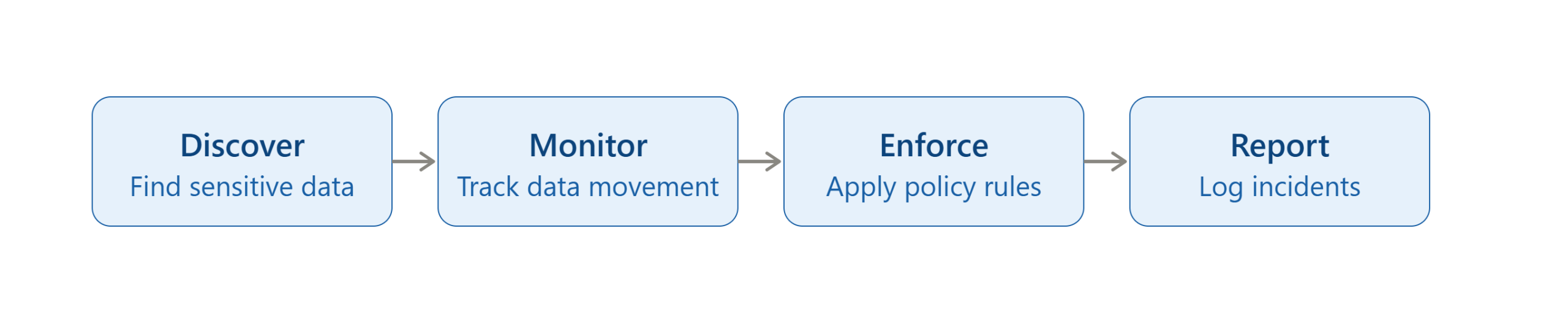
DLP isn’t a single tool it’s a process. Most DLP solutions follow four key steps:
1. Discover
The system scans your networks, devices, and cloud storage to locate sensitive data, things like customer records, payment details, or intellectual property.
2. Monitor
Once sensitive data is identified, DLP tools continuously track how it moves. This includes data:
- At rest (stored files),
- In motion (emails, transfers)
- In use (open documents, copy-paste actions).
3. Enforce
If someone tries to send sensitive data somewhere it shouldn’t go, like a personal email account or an unauthorized USB drive, the DLP system blocks the action or flags it for review.
4. Report
DLP tools generate detailed reports and alerts, giving IT and security teams visibility into potential risks and policy violations.
Types of Data Loss Prevention
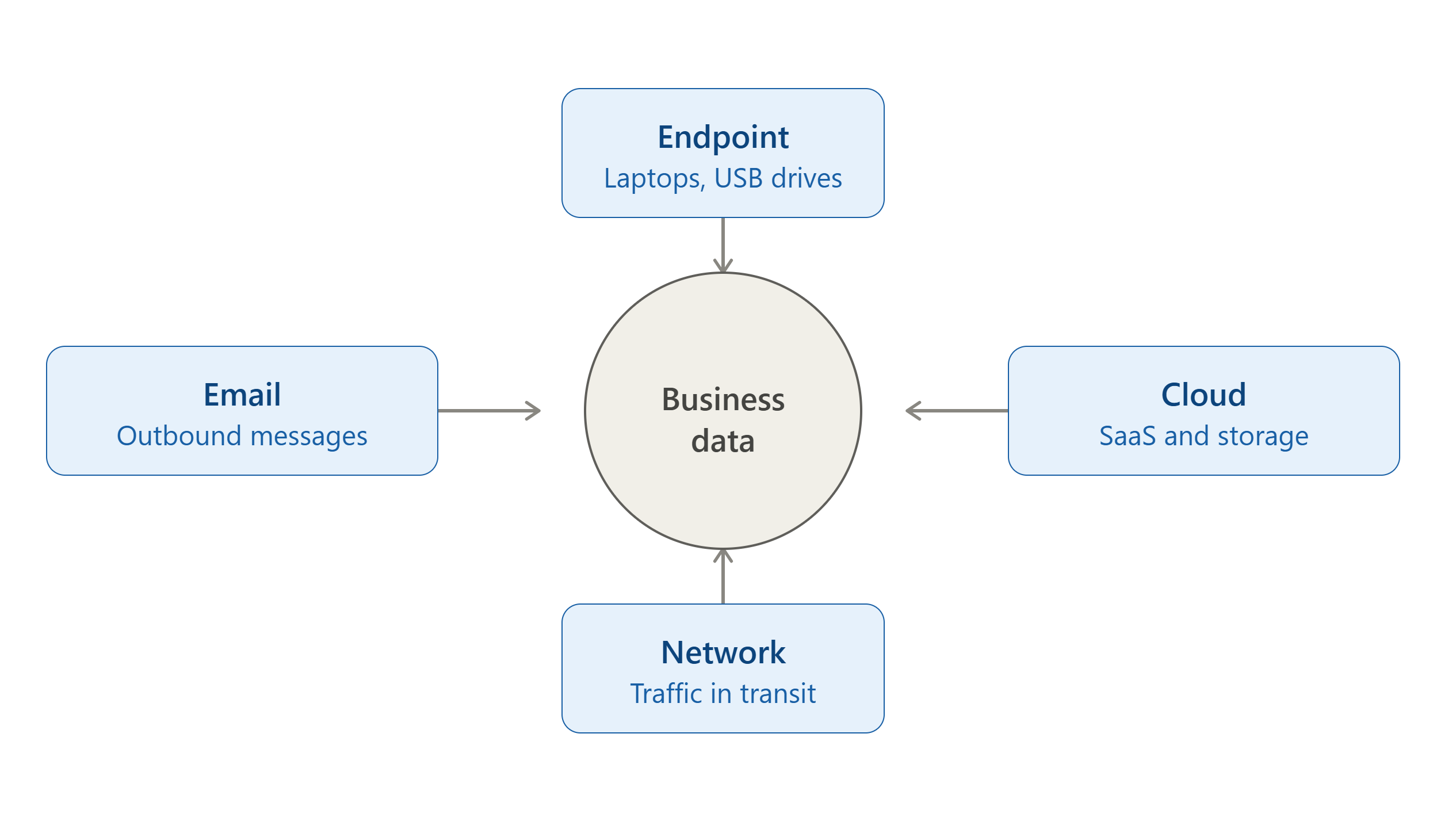
Different types of DLP protect data across different environments. Most businesses use a combination of these:
-
Endpoint DLP
Protects data on individual devices like laptops, desktops, and mobile phones. It prevents actions like copying files to a USB drive or printing confidential documents.
-
Network DLP
Monitors data as it moves across a company’s network, catching unauthorized transfers before they leave the organization.
-
Email DLP
Scans outgoing emails and attachments for sensitive content, blocking or encrypting messages that violate data policies.
-
Cloud DLP
Secures data stored in cloud platforms like Google Workspace, Microsoft 365, or cloud storage services — increasingly important as more businesses shift operations online.
Limitations of DLP and Complementary Tools
DLP is powerful, but it isn’t a complete security solution on its own. It can generate false positives, may struggle with encrypted traffic, and won’t stop every creative workaround.
That’s why many businesses pair DLP with complementary tools such as the following:
- Identity and Access Management (IAM): controls who can access what.
- Encryption: protects data even if it’s intercepted.
- Security Information and Event Management (SIEM): provides broader threat visibility.
Together, these tools create a layered security approach that’s far stronger than DLP alone.
Data Loss Prevention and Compliance
For many industries, Data Loss Prevention isn’t just a best practice it’s a legal requirement. Regulations like these often mandate strong data protection measures:
- GDPR (General Data Protection Regulation): Requires businesses handling EU citizens’ data to prevent unauthorized access and breaches.
- HIPAA (Health Insurance Portability and Accountability Act): Mandates safeguards for protected health information in the U.S. healthcare sector.
- PCI-DSS (Payment Card Industry Data Security Standard): Requires businesses handling card payments to secure cardholder data.
Implementing DLP helps businesses meet these compliance standards while reducing the risk of costly fines and legal trouble.
Conclusion
Data Loss Prevention is no longer optional for businesses that handle sensitive information, which, today, is nearly every business. By discovering, monitoring, enforcing, and reporting on data movement, DLP helps prevent leaks before they happen. Combined with other security tools and compliance efforts, it forms a critical layer of protection for any organization serious about safeguarding its data.
Deploy GPU Cloud Server
FAQs
- What is Data Loss Prevention?
Data Loss Prevention (DLP) is a set of tools and strategies that stop sensitive business data from being lost, leaked, or accessed without authorization. It monitors and controls how data moves across devices, networks, and the cloud.
2. What are the main types of DLP?
The four main types are Endpoint DLP, Network DLP, Email DLP, and Cloud DLP. Each protects data in a different environment, and most businesses use a combination for full coverage.
3. Why do businesses need Data Loss Prevention?
Businesses need DLP to protect sensitive data from breaches, meet compliance requirements like GDPR and HIPAA, and maintain customer trust in an increasingly digital, remote-work environment.
4. Is DLP enough to fully secure business data?
No. DLP is an important layer of protection, but it works best alongside other tools like encryption, identity access management, and broader security monitoring systems.